
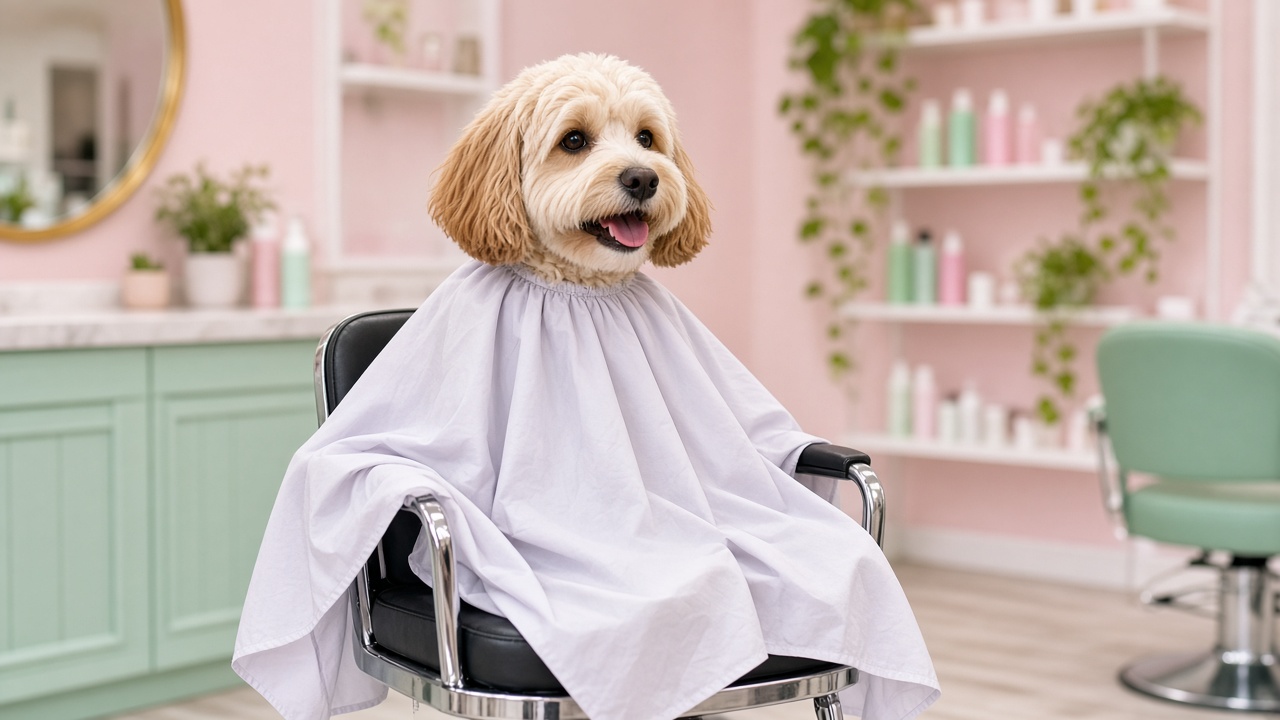
Pet barbershop videos work because they combine something familiar—a dog or cat—with an absurdly serious grooming setup. Seedance can animate a reference photo into short comedic beats if you keep actions simple and humane. The humor should stay light; avoid distressing treatments or realistic harm.
Short-form creators use these clips as weekly series—“Salon Day episode 3”—because the setup repeats while hairstyles change. Plan a template: same chair color, same cape clip, new gag each time, so production stays fast once prompts are tuned.
What Makes a Pet Barbershop Video Funny
Contrast sells the joke: a tiny dog in a oversized salon cape, a barber using tiny scissors with theatrical focus, then a proud or confused reaction. Vertical framing and quick captions amplify expression for Reels and TikTok.
The best clips feel like a skit with three beats, not a random filter. Audio—a playful barbershop jazz loop or exaggerated “snip snip”foley—often lands the punchline harder than visual detail alone, and you add that entirely in post.
Choose a Pet Photo That Works as a Reference
Pick a well-lit image with visible eyes, snout, and fur pattern. Front or three-quarter angles work better than extreme top-down shots. If your interface supports image-to-video, upload this photo and describe motion conservatively.
Avoid heavy filters or motion blur in the source photo; the model needs sharp fur edges to preserve identity. If you only have a busy background, crop tightly before uploading so the pet dominates the frame.
Plan the Makeover as a Short Before-and-After Story
Beat one: pet sits in chair, cape on. Beat two: barber trims fluff with comic seriousness. Beat three: reaction—head tilt, mock pride, or side-eye at a exaggerated pompadour. Do not ask for all three in one prompt; generate separately and edit.
Write the caption before generating so visuals match the joke. If the punchline references a “CEO haircut,”prompt a slightly taller fluff silhouette in beat three only. Matching text and visuals prevents awkward mismatches when viewers read captions while the clip plays.
Prompt Example: A Dog Getting a Comically Serious Haircut
Name fur colors and ear shape every time. Reduce action verbs if paws distort—shorter clips regenerate faster.
Keep the Pet's Face, Fur, and Body Consistent
Maintain a descriptor block: “cream fur, brown ear tips, round dark eyes, small black nose.”Reuse it in the reaction shot prompt. When identity drifts, re-seed with the original photo reference rather than chaining many unrelated text-only generations.
Warn against combining too many actions in one short generation—trim, spin, jump, and cape flutter together often produce melted paws. One verb per clip keeps comedy readable and reduces regeneration time.
Add the Reaction Shot and Finish the Joke
Prompt a close-up reaction with the same cape and trimmed silhouette. Add a caption in post—“When the groomer says ‘trust me’”—plus a ding sound effect. Before-and-after can be a split screen of the reference still and final clip instead of expecting perfect in-camera continuity.
If the trimmed look is subtle, exaggerate with a slightly poofier topknot in the reaction prompt only—still friendly, never mocking the animal. End on the pet’s expression held for an extra half second so viewers catch the joke on a loop.
Fix Common Pet Video Generation Problems
Create a clean before-and-after reveal in post: hold the reference still for one beat, then cut to the styled clip—do not expect perfect continuity from a single generation. Vertical framing, short captions, and light sound effects (ding, scissors snip) sell the joke without stressing the model. Keep humor friendly and non-distressing; viewers should laugh with the pet, not worry about harm.
When a generation fails, return to the reference photo instead of chaining fixes in text-only mode—identity drift compounds quickly on fluffy faces. Save your best prompt blocks in a notes app so the next pet video starts from a proven barbershop template rather than from scratch.
Cats can work with the same three-beat structure, but expect more regeneration on ear twitch motion—describe "minimal head movement" unless you want comic chaos. Always preview on a phone screen before posting; small screens hide fur glitches that desktop previews mask.
Disclose AI-assisted visuals in your description when your audience expects pet authenticity; transparency avoids comment sections debating whether the groomer is real. A single honest line in the caption builds trust for the next gag video.